Key Takeaways
- Texas’s growing population and large small-business sector create opportunities to start a business across several industries.
- Lower-cost business options in Texas include cleaning services, landscaping, and bilingual digital marketing.
- HVAC, trucking, and oilfield services require more capital, equipment, or specialized experience.
- Home care, pest control, cleaning, and lawn care can generate recurring revenue through ongoing service contracts.
- Check Texas licensing, local permits, insurance, and tax requirements before launching any business.
- Choose a business to start in Texas based on your budget, skills, local demand, and ability to find customers.
Compare 12 of the best businesses to start in Texas in this Swyft Filings guide. See startup costs, licenses, and demand for each.
Texas offers plenty of opportunities for entrepreneurs, but the best business to start depends on local demand, your budget, and the skills you bring to the table. The state had a population of 31,709,821 residents in 2025, an increase of about 391,000 in a single year (2024-2025). That growing population creates potential demand for new businesses.
Small businesses are already a major part of the state's economy. According to the U.S. Small Business Administration, Texas has around 3.5 million small businesses, representing 99.8% of all businesses and employing approximately 5.1 million people. The Texas Comptroller also reports that small businesses generated an estimated 40.1% of the state's private, nonfarm gross domestic product.
These figures indicate a strong small-business presence, but success still depends on finding customers and offering what they need. To help you get started, we have researched business opportunities in Texas and compiled a list of business ideas, along with practical details to help you compare market demand, startup costs, and required resources.
Top 12 Businesses to Start in Texas
The table compares all 12 ideas on startup cost, profit potential, recurring revenue, and how friendly the idea is to first-time owners. The sections after it explain each one.
Business | Estimated Startup Cost | Profit Potential | Recurring Revenue | Beginner-Friendly |
Oilfield and Energy Support Services | $25,000–$250,000+ | High (cyclical) | Medium | No |
HVAC Services | $40,000–$200,000 | High | High | No (license experience required) |
Trucking, Hotshot and Last-Mile Delivery | $10,000–$150,000 | Medium–High | Medium | Moderate |
Senior Home Care Services | $30,000–$100,000 | Medium–High | High | Moderate |
Real Estate Agent or Property Management | $800–$1,300 to license | Variable | Low–Medium | Yes |
Remodeling and Home Renovation | $10,000–$100,000 | Medium–High | Low–Medium | Moderate |
Landscaping, Irrigation and Lawn Care | $5,000–$60,000 | Medium–High | High | Yes |
Cleaning Services | $2,000–$20,000 | Medium–High | High | Yes |
Pest Control | $15,000–$80,000 | Medium–High | High | Moderate |
Food Truck and BBQ Catering | $40,000–$175,000 | Medium | Medium | Moderate |
Child Care (Registered or Licensed Home) | $3,000–$30,000 | Medium | High | Moderate |
Bilingual Digital Marketing Agency | $2,000–$10,000 | High | High | Yes |
1. Oilfield and Energy Support Services

Hauling, inspection, and safety services keep Texas energy sites running.
Texas produces more crude oil than any other state and supplied more than two-fifths of the national total in 2024, according to the EIA's Texas profile. The same profile puts about one-third of the U.S. crude oil refining capacity here. You don't need to own a rig to earn from that.
Operators routinely hire outside companies for hauling, equipment rental, site preparation, inspection, welding, and safety training, and that work tends to go to vendors who show up on time with their paperwork in order.
Pick one service and one customer type first, then add services once you have references. Keep a cash cushion, because oilfield spending follows commodity prices and a single large customer can pause work overnight.
- Estimated startup cost: $25,000–$250,000+. A training, inspection, or consulting service sits at the low end, while hauling and equipment rental sit at the high end.
- Licenses and permits: No single statewide license covers oilfield services. Companies that operate wells or pipelines, or that plug wells, generally register with the Texas Railroad Commission, so confirm whether your service triggers that. Heavy trucks require a commercial driver's license and DOT rules, and most operators require commercial insurance and a safety prequalification before you can bid.
How to get started:
- Choose a service, such as hauling, welding, equipment rental, or safety training.
- Research oil and gas operators and contractors in your target area.
- Check insurance, safety certifications, vendor registration, and licensing requirements.
- Start with essential equipment and expand as you secure contracts.
2. HVAC Services
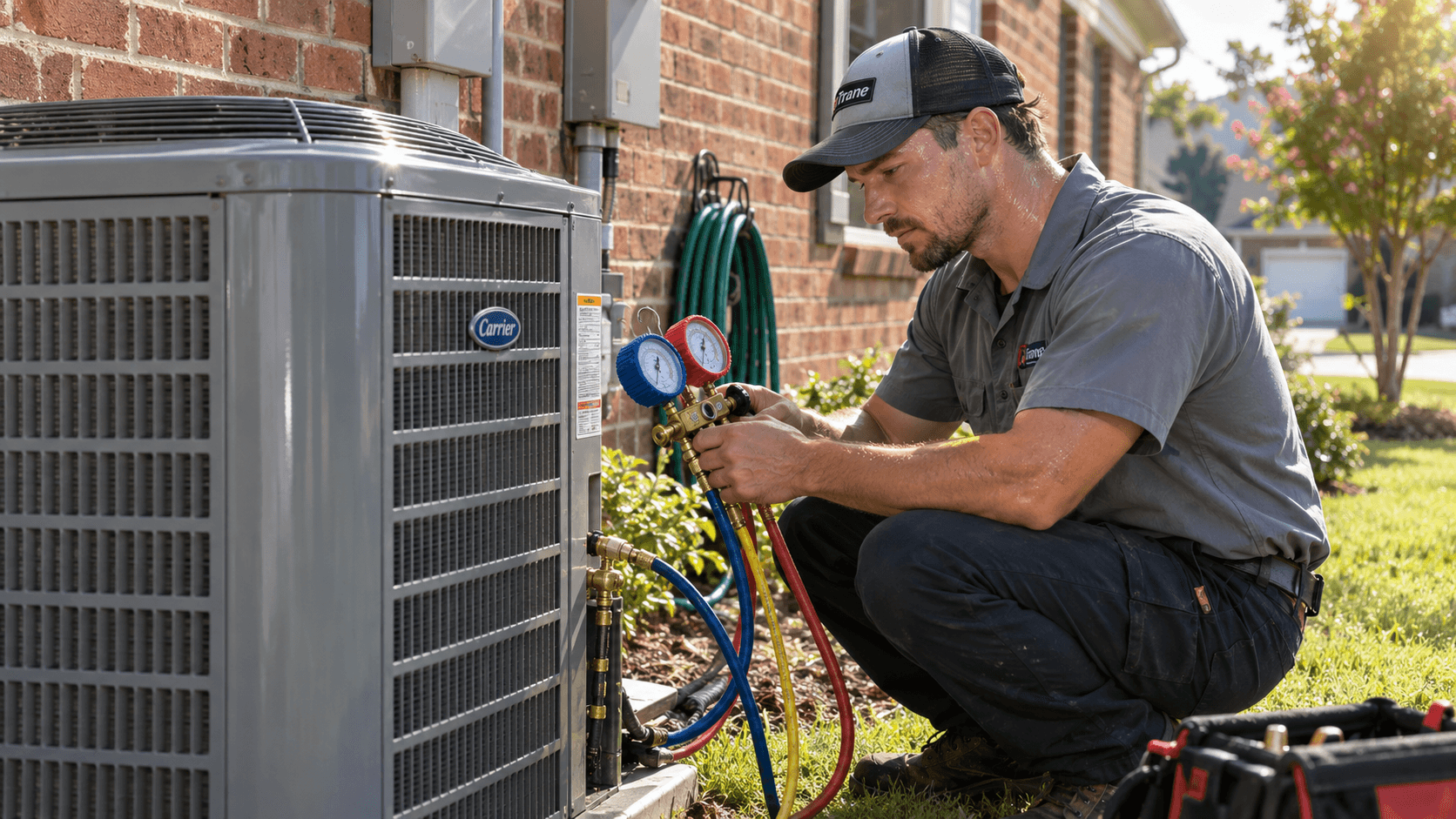
Installation, repair, and maintenance plans give HVAC companies steady year-round work.
With 12,848,245 housing units in Texas, someone is always installing, repairing, or replacing a cooling system. HVAC is also one of the few trades where a maintenance agreement turns a one-time repair into recurring revenue: a twice-a-year tune-up plan keeps customers on your calendar and gives you first call when the system finally fails. Residential work is the easier start, and light commercial contracts are the natural second step.
The barrier is credentials, not capital. Most owners work for a licensed contractor first to log the required hours.
- Estimated startup cost: $40,000–$200,000 for a service van, tools, diagnostic equipment, insurance, and a parts inventory.
- Licenses and permits: The Texas Department of Licensing and Regulation (TDLR) issues the air conditioning and refrigeration contractor license. A Class A license covers equipment of any size, while Class B covers cooling systems up to 25 tons and heating systems up to 1.5 million BTUs per hour. Applicants need documented experience (48 months under a licensed contractor within the past 72 months, with a shorter path available for certified technicians), a passing exam score of 70%, and a certificate of liability insurance.
How to get started:
- Gain HVAC experience or hire qualified, licensed technicians.
- Choose your niche, such as residential repairs or commercial maintenance.
- Budget for a service van, tools, insurance, and parts.
- Meet Texas licensing requirements before offering regulated services.
- Build relationships with homeowners and property managers to secure repeat work.
3. Trucking, Hotshot and Last-Mile Delivery

Hotshot and last-mile drivers move time-sensitive loads across Texas's long distances.
Texas spans more than 261,000 square miles, creating opportunities for businesses that transport goods over long distances and handle local deliveries. Hotshot operators haul time-sensitive equipment and freight, box-truck businesses serve local and regional customers, and last-mile delivery companies transport packages to homes and businesses.
You can start with one vehicle and a small customer base, then expand as demand grows. However, fuel, insurance, vehicle maintenance, and empty return trips can eat into profits, so include these expenses when pricing each job.
- Estimated startup cost: $10,000–$150,000, depending on whether you buy a used box truck, a hotshot rig, or a semi and trailer, plus insurance and working capital.
- Licenses and permits: A commercial driver's license is required for vehicles over 26,000 pounds. For-hire interstate carriers register with the FMCSA for a USDOT number and operating authority, and Texas-only for-hire carriers should check the Texas Department of Motor Vehicles' motor carrier rules. Add commercial auto insurance and cargo coverage.
How to get started:
- Choose a niche, such as hotshot hauling, local freight, or last-mile delivery.
- Research customer demand and contact manufacturers, warehouses, freight brokers, or delivery companies.
- Calculate vehicle, fuel, insurance, maintenance, and permit costs before setting rates.
- Check applicable state and federal registration requirements before accepting loads.
4. Senior Home Care Services

Non-medical home care helps older Texans stay independent in their own homes.
Texas has a growing older population, creating potential demand for in-home assistance. According to USA Facts, approximately 4.71 million Texas residents were aged 65 and older in 2025, representing 14.9% of the state's population. Also, according to Census data reported by the Texas Tribune, Texans aged 65 and older were the state's fastest-growing age group between 2020 and 2025.
A non-medical home care agency helps these senior citizens with bathing, dressing, meal preparation, companionship, errands, and light housekeeping. You hire and schedule caregivers, coordinate services with families, and manage billing, payroll, and insurance. Private-pay clients can be a starting point, while Medicaid contracts may provide access to additional clients but involve separate enrollment requirements.
- Estimated startup cost: $30,000–$100,000 for licensing, insurance, a policy and procedure manual, software, and payroll cushion.
- Licenses and permits: Texas is stricter than many states here. Providing personal assistance services for pay requires a Home and Community Support Services Agency (HCSSA) license from Texas HHSC for each place of business, with the personal assistance services category covering non-medical personal care. Expect an application through the state's licensing portal, background checks, required administrator training, and a wait of several months before you can bill. That upfront burden keeps casual competitors out.
How to get started:
- Decide which services you will offer and which clients you'll serve.
- Research local demand and competing home care agencies.
- Review HCSSA licensing requirements before providing services.
- Budget for caregiver wages, insurance, training, software, and operating expenses.
- Build referral relationships with families, senior communities, and other relevant local organizations.
5. Real Estate Agent or Property Management

Texas agents and property managers earn from sales, leasing, and ongoing management.
Texas has an active housing market that can create opportunities for real estate agents and property management businesses. According to the Texas Real Estate Research Center, the state recorded approximately 336,000 home sales in 2025, up 1.3% from the previous year. This activity creates opportunities to help buyers and sellers complete transactions, market properties, find tenants, collect rent, and coordinate maintenance.
Rental housing is another potential market. The U.S. Census Bureau reports that 62.6% of Texas homes were owner-occupied during 2020–2024, meaning roughly 37.4% of occupied housing units were renter-occupied. Median gross rent was $1,403 per month. Landlords who live elsewhere or own multiple rental properties may hire property managers to handle tenant communication, rent collection, repairs, and other day-to-day responsibilities.
- Estimated startup cost: Roughly $800–$1,300 to get licensed, covering education, the application, fingerprinting, and the exam. Opening your own brokerage costs considerably more.
- Licenses and permits: The Texas Real Estate Commission (TREC) requires 180 hours of qualifying education (six 30-hour courses), a license application, fingerprinting, and a passing exam score. Sales agents must work under a sponsoring broker, and first-time renewal requires 270 total qualifying hours. A broker license, needed to open your own brokerage, requires four years of active experience. Managing rental property for others generally falls under real estate licensing, so confirm with TREC before you advertise.
How to get started:
- Choose your niche: real estate sales, leasing, or property management.
- Complete the required TREC licensing steps.
- Find a sponsoring broker if working as a sales agent.
- Budget for licensing, marketing, insurance, and software.
- Network with landlords, investors, buyers, and sellers to find clients.
6. Remodeling and Home Renovation

Kitchen, bath, and outdoor-living projects keep Texas remodelers busy.
Texas issued 210,217 building permits in 2025, and homeowners here pay a median monthly mortgage payment of $2,106 with a mortgage, so they have a reason to protect and improve what they own. Remodeling covers kitchens, bathrooms, flooring, painting, outdoor living spaces, and storm-related repairs.
Many owners begin as a specialist (flooring, tile, or painting) and grow into full project management once they have a crew and a client list. Written estimates, signed contracts, and prompt communication do more for your reputation than any advertising. Most of your leads will come from referrals and neighbors.
- Estimated startup cost: $10,000–$100,000 for tools, a work truck, insurance, and working capital to cover materials before the first payment arrives.
- Licenses and permits: Texas doesn't issue a statewide general contractor license. Cities and counties set their own registration and permit rules, so check where you plan to work. Electrical, plumbing, and HVAC work still needs the matching state license, which means you will either hold it or hire a licensed subcontractor.
How to get started:
- Start with a specialty such as painting, flooring, or tile installation before expanding into full remodeling.
- Check local registration and permit requirements in the cities or counties where you plan to work.
- Obtain the required state licenses or hire licensed subcontractors for electrical, plumbing, and HVAC work.
- Budget for tools, transportation, insurance, materials, and working capital.
- Build a client base through referrals, local networking, and reliable communication.
7. Landscaping, Irrigation and Lawn Care

Mowing routes, irrigation repairs, and seasonal cleanups can become a recurring revenue stream.
Every one of Texas's housing units has a yard, a bed, or a strip of grass nearby, and homeowners' associations, apartment communities, and shopping centers often hire landscaping businesses for ongoing maintenance contracts.
Texas summers also create demand for irrigation repairs, as broken sprinkler heads, faulty timers, and water-saving upgrades need attention. To keep costs down and make the most of your time, focus on a few nearby neighborhoods rather than taking jobs spread across town. Once you build a steady customer base, you can expand into irrigation repairs, mulching, and seasonal cleanups.
- Estimated startup cost: $5,000–$60,000 for mowers, trimmers, a trailer, a truck, and insurance. A solo start with used equipment sits at the low end.
- Licenses and permits: Basic mowing doesn't require a statewide license. Installing or repairing irrigation systems generally requires a license from the Texas Commission on Environmental Quality (TCEQ), and applying pesticides or herbicides commercially requires a license from the Texas Department of Agriculture. Add liability insurance.
- Taxes to consider: Texas treats landscaping and lawn care as taxable real property services, so most providers need a sales tax permit and must collect tax from customers. A narrow exemption applies to some self-employed individuals who personally perform the work, so read the Comptroller's guidance before setting your prices.
How to get started:
- Choose your services, such as lawn mowing, landscaping, irrigation repair, or seasonal cleanup.
- Research local demand and target nearby neighborhoods, HOAs, and commercial properties.
- Check local permit requirements and obtain any required licenses for irrigation or pesticide application.
- Budget for equipment, transportation, insurance, and supplies.
- Build recurring contracts in nearby areas and grow through referrals.
8. Cleaning Services

Home, office, and rental turnover cleaning can become steady monthly contracts.
Census data counts 670,878 employer establishments in Texas (2023), and every office, clinic, gym, and storefront among them needs someone to keep it clean. Add homes, apartments, and short-term rentals, and cleaning becomes one of the most flexible ways to start. Residential customers book weekly or biweekly visits, while commercial accounts sign monthly contracts that don't disappear when the weather changes.
Language is also a business tool in Texas: 17.6% of residents are foreign-born, and 35.1% speak a language other than English at home. A bilingual crew, a bilingual booking page, and clear written checklists widen your pool of both customers and hires.
- Estimated startup cost: $2,000–$20,000 for supplies, equipment, transportation, insurance, and marketing. Starting solo and adding a second cleaner once you are fully booked keeps costs low.
- Licenses and permits: General cleaning doesn't require a statewide professional license, though some cities want a local registration. Specialized work such as mold remediation is regulated separately. Commercial clients often request liability insurance and bonding before signing.
- Taxes to consider: Building and grounds cleaning and janitorial services are among Texas's taxable real property services, on residential and nonresidential property alike.
How to get started:
- Choose your niche: residential cleaning, office cleaning, or rental turnover services.
- Start with essential supplies and equipment, then expand as your client base grows.
- Check local requirements and understand Texas sales tax rules for cleaning services.
- Set competitive rates and offer recurring cleaning plans to attract repeat customers.
- Find clients through local marketing, property managers, real estate agents, and business referrals.
9. Pest Control
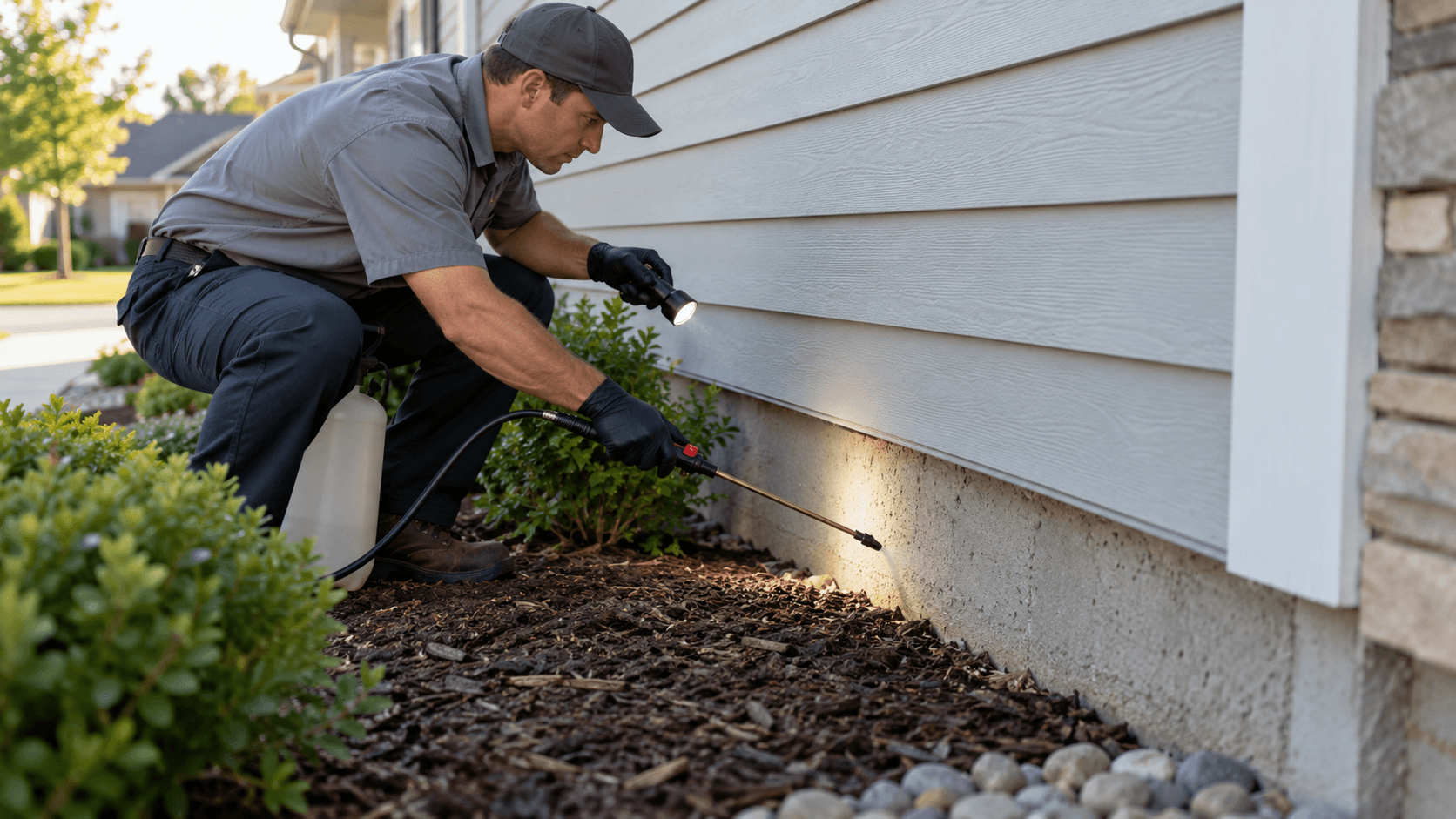
Quarterly treatment plans turn one-time calls into recurring revenue.
Homes, restaurants, apartment complexes, and warehouses across Texas pay for recurring pest service, and the best accounts are those on a plan. A quarterly residential agreement, a termite inspection program, or a monthly restaurant contract keeps revenue predictable and turns the phone call you dread (an emergency) into a scheduled visit. Your margin depends on chemicals, labor, vehicle costs, and insurance, so route efficiency matters as much as price.
- Estimated startup cost: $15,000–$80,000 for a service vehicle, sprayers and application equipment, treatment supplies, insurance, and marketing.
- Licenses and permits: Pest control is tightly licensed. The Texas Department of Agriculture's Structural Pest Control Service requires a business license for each location, and each licensed business must employ a certified commercial applicator who is designated as responsible for supervising its pest control operations. Apprentices and technicians work under that supervision. Expect to show proof of liability insurance.
- Taxes to consider: Structural pest control is a taxable real property service in Texas, so register for a sales tax permit.
How to get started:
- Choose your niche, such as residential pest control, termite inspections, or commercial pest management.
- Complete Texas Department of Agriculture licensing requirements and arrange for a certified commercial applicator to supervise operations.
- Secure the required business license, liability insurance, vehicle, and application equipment.
- Register for a Texas sales tax permit and understand the tax rules for pest control services.
- Build recurring contracts with homeowners, restaurants, property managers, and warehouses to maintain steady revenue.
10. Food Truck

A focused menu and a good location can build a loyal following.
Travel and tourism generated an estimated $199.5 billion in total economic impact and supported 1.3 million jobs. This steady flow of visitors, along with local festivals, sporting events, and private gatherings, creates opportunities for food businesses.
A food truck lets you test a concept without a restaurant lease: lunch routes at office parks, weekend slots at breweries and markets, festivals, and corporate catering. Barbecue and tacos are crowded categories, so a narrow specialty (a signature sauce, a regional dish, a family recipe) is usually the stronger pitch than a long menu. Catering is where many trucks make their margin. A booked event has a guaranteed headcount and an up-front deposit, while a street shift depends on weather and foot traffic.
- Estimated startup cost: $40,000–$175,000 for the truck or trailer, kitchen equipment or a smoker, permits, initial inventory, insurance, and branding. A used unit lowers the entry cost, and a custom build raises it.
- Licenses and permits: Mobile food operators operate under the Texas Food Establishment Rules, overseen by the Department of State Health Services, and in much of the state, the permit or license is issued through your city or county health department. Expect a plan review and inspection, a commissary or servicing agreement, a certified food protection manager, food handler cards for staff, and a fire inspection. Rules differ from one city to the next, so ask each place you want to operate. You will also need a sales tax permit.
How to get started:
- Choose your concept. Focus on a specialty such as Texas BBQ, tacos, or event catering.
- Identify busy locations, local events, breweries, and corporate catering opportunities.
- Check local health department requirements, food safety rules, fire inspections, and sales tax registration.
- Account for the truck or trailer, cooking equipment, inventory, insurance, and permits.
- Start with a focused menu, promote your signature dishes, and pursue catering bookings and recurring event partnerships.
11. Child Care

Home-based child care can start small and grow with demand and the right license.
Texas has a large market for home-based child care. According to a 2025 report prepared for the Texas Workforce Commission, the state had approximately 2.68 million children under age six in 2024, with an estimated 1.74 million potentially needing care. As of August 2024, Texas had 1,644 licensed child care homes and 2,212 registered homes, with a combined capacity of about 45,100 children. These figures suggest an opportunity for providers who can offer reliable, convenient care for working families, although demand and competition vary by location.
- Estimated startup cost: $3,000–$30,000 for a home-based program, covering safety upgrades, furniture, learning materials, insurance, and training. A child care center can exceed $100,000.
- Licenses and permits: Texas Health and Human Services (HHSC) Child Care Regulation licenses and registers operations, as described in its licensing handbook. Caregivers in registered and licensed homes must be at least 21, and applicants complete required training, background checks, and annual inspections. Check your city's zoning and any HOA rules before you apply.
How to get started:
- Decide whether a registered or licensed child care home best fits your planned capacity and services.
- Confirm zoning, HOA restrictions, and home safety requirements before investing.
- Complete orientation and training: Follow Texas Health and Human Services requirements, including applicable CPR, first aid, and background checks.
- Create an online account, submit your application, and prepare for the required home inspection.
- Arrange liability insurance, child-safe equipment, parent contracts, and clear operating policies before accepting children
12. Bilingual Digital Marketing Agency

Websites, local search, and bilingual content help Texas businesses reach more customers.
Texas has about 3.5 million small businesses, and many of them rely on word of mouth and a website that hasn't been updated in years. Restaurants, contractors, clinics, salons, and law offices all need to appear in local search, collect reviews, and answer questions online. Texas also has an advantage few states can match: 40.9% of residents are Hispanic or Latino. An agency that builds bilingual websites, Spanish-language ads, and bilingual Google Business Profiles serves customers many competitors overlook.
Pick one or two services (local SEO, website builds, paid ads, or social media) and one industry, then use your first projects as case studies. Retainers beat project fees for stability, and you can work remotely with clients anywhere in the state.
- Estimated startup cost: $2,000–$10,000 for a computer, software subscriptions, a portfolio site, and basic business expenses.
- Licenses and permits: Marketing and web services don't require a statewide professional license. Check local requirements, carry professional liability insurance, and ask the Comptroller how any hosting or software services you resell are taxed.
How to get started:
- Choose a niche, such as restaurants, healthcare practices, contractors, or local service businesses.
- Focus on services like local SEO, bilingual websites, Spanish-language ads, or social media management.
- Set up a portfolio website showcasing your services and results.
- Build case studies by working with a few initial clients and tracking measurable outcomes.
- Reach potential clients through local business networks, referrals, and targeted outreach.
NOTE: Startup costs are estimates and vary by location, equipment, staffing, insurance, and business model. Ratings for profit potential, recurring revenue, and beginner-friendliness are general assessments, not guarantees. Actual results depend on factors such as pricing, operating expenses, customer demand, and competition.
Conclusion
Texas offers opportunities for entrepreneurs across industries, from home-based services to food businesses. The right choice depends on your budget, experience, and the needs of your target market. If you want to start with less capital, consider cleaning, landscaping, or digital marketing. If you have industry experience and more money to invest, HVAC, oilfield support, or trucking may be worth exploring. Businesses that offer recurring services can also help you build a more predictable revenue stream over time.
Before launching, research local demand, estimate your operating costs, and check the licenses and permits that apply to your business. Once you have a clear plan, Swyft Filings can help you handle the business formation process so you can focus on building your customer base and growing your company
FAQs
With a $10,000 budget, consider cleaning services or a bilingual digital marketing agency. These businesses can start with relatively little equipment, especially if you work from home. Profitability depends on your pricing, operating expenses, ability to find clients, and competition. You may also be able to start a lawn care business with used equipment and a focused service area.
No one can predict which businesses will boom, but several areas have factors that may support continued demand. These include senior home care, HVAC services, trucking and delivery, property maintenance, and bilingual digital marketing. Before investing, review local market conditions, customer needs, competition, and relevant industry forecasts rather than relying on trend predictions alone.
Cleaning services, landscaping, and digital marketing can be accessible options for first-time entrepreneurs because they can often start small without expensive equipment or commercial premises. Landscaping works best if you already have the equipment and the physical ability. The best option depends on your skills, available capital, and the time you can commit. Always check applicable licensing and tax requirements before accepting clients.
Long-term demand may support businesses that address ongoing needs, including home care, HVAC maintenance, property services, and transportation. Population changes, technology adoption, housing activity, and business investment can influence these markets. However, demand will vary by location and economic conditions, so validate the opportunity before committing significant capital.
Startup costs vary widely by business type. Based on the estimates in this guide, bookkeeping may require around $1,000–$8,000, cleaning services $2,000–$20,000, and HVAC services $40,000–$200,000. These estimates are not guarantees and may exclude unexpected costs or additional working capital. Build a budget that includes equipment, insurance, licensing, marketing, and several months of operating expenses.