Key Takeaways
- Residential cleaning, bookkeeping, and digital marketing can be started for under $5,000 and are among the best low-cost business ideas.
- Handyman services, HVAC, food trucks, and other regulated businesses may require specific state or local licenses and permits.
- Expenses to start any business in Michigan vary depending on equipment, insurance, staffing, location, and whether you already own a vehicle or workspace.
- Compare competition, customer needs, and operating costs in your target Michigan city before investing in any business in Michigan.
Learn about the best businesses to start in Michigan in 2027, from low-cost home-based services to auto repair in this Swyft Filings guide.
If you are planning to start a business in Michigan, one of the first challenges is deciding what to offer. You might have a skill you can turn into a service, an interest you'd like to build around, or a budget you are ready to invest. The challenge is finding a business idea that fits your circumstances while meeting a real need in your local market.
Before committing to any business idea, this guide explores the best businesses to start in Michigan in 2027 with estimated startup costs, operating requirements, and potential markets.
14 Best Businesses to Start in Michigan at a Glance
Business | Startup cost | Main Resources Needed | Regulatory Complexity |
Cleaning (Residential & Commercial) | Residential: $700 to $5,000; Commercial: $2,500-$6,500 (solo) or $10,000+ (with a crew) | Cleaning supplies, transportation, insurance, and commercial-grade equipment (for commercial services) | Low |
Digital marketing services | $1,000–$5,000 solo; $8,000–$28,000 as a small agency | Computer, software, and marketing skills | Low |
Bookkeeping and admin support | $500–$2,500 | Accounting software, computer, and bookkeeping skills | Low |
Cottage food business | $200–$950 home-based; $15,000–$50,000+ commercial | Kitchen equipment, ingredients, and packaging | Low for qualifying cottage foods |
Mobile auto detailing | $1,500–$12,000 | Suitable vehicle, cleaning equipment, and supplies | Low to moderate |
Landscaping with snow removal | $3,500–$7,000 with an existing truck; $12,000–$25,000+ for a professional setup | Truck, mower, plough, and landscaping equipments | Low to moderate |
Handyman and home repair | $1,000–$2,500 lean; $4,500–$10,000+ for a more equipped setup | Tools, transportation, insurance, and repair skills | Moderate to high |
Logistics and last-mile delivery | $3,500–$7,500 with an existing cargo van; $35,000–$95,000+ for a fleet | Delivery vehicles, commercial auto insurance, and routing tools | Varies by operation |
Vacation rental management | $1,200–$7,500 | Scheduling software, insurance, and property management arrangements | Moderate to high |
Pet grooming and boarding | $3,000–$8,000 home-based; $55,000–$150,000+ commercial | Grooming equipment, suitable space, and animal care supplies | Varies by services |
Non-medical senior home care | $4,500–$12,000 upfront, plus $15,000–$30,000 working capital | Caregiver recruitment, insurance, and payroll funds | Varies by services and programs |
HVAC and heating services | $5,000–$12,000 lean; $25,000–$65,000+ professional setup | Service vehicle, HVAC tools, and qualified technicians | High |
Food truck | $35,000–$65,000 for a used trailer setup; $90,000–$185,000+ for a new truck | Food trailer or truck, kitchen equipment, and supplies | High |
Auto repair shop | $75,000–$150,000 in an existing garage; $150,000–$400,000+ for a new facility | Garage, vehicle lifts, diagnostic equipment, and repair tools | High |
Note: These costs are approximate planning ranges, not verified Michigan averages or guaranteed startup budgets. Some assume you already own a vehicle, equipment, or workspace. Actual expenses depend on location, staffing, insurance, licensing, and business size. You should also budget separately for working capital and unexpected expenses.
Regulatory complexity is an editorial comparison, not an official Michigan licensing classification. Specific requirements depend on the services offered and where the business operates.
1. Cleaning Services

Residential Cleaning Business in Michigan
- Good fit if: You want to start a service-based business with relatively low upfront costs and are comfortable doing the cleaning yourself initially.
- Not for you if: You want a business that requires little hands-on work from the beginning or prefer not to work evenings or weekends.
- What makes or breaks it: Building a regular customer base, securing recurring contracts, and keeping travel time and operating costs manageable.
A cleaning business can be a practical option in Michigan because homes and commercial properties require regular upkeep year-round. You can start small with basic supplies and gradually expand by hiring employees or taking on more clients.
There are two types of cleaning business ideas you can consider:
a) Residential Cleaning
Michigan winters bring salt, slush, and sand indoors, creating demand for regular home cleaning. Homeowners may book weekly or biweekly services, particularly in the Detroit suburbs, Grand Rapids, and Ann Arbor.
You can start with basic cleaning supplies, liability insurance, and a vehicle you may already own. Residential cleaning can be easier to enter because individual homeowners typically don't require formal contracts or lengthy approval processes.
b) Commercial Cleaning
Michigan's office buildings, medical facilities, warehouses, and churches often need nightly or weekly cleaning. Businesses may prefer recurring service contracts, which can provide more predictable monthly income.
Starting a commercial cleaning business may require commercial-grade vacuums, floor-cleaning equipment, supplies, and liability insurance, as well as bonding if required by clients. Demand opportunities exist in business areas such as Southfield, Troy, Grand Rapids, and Lansing.
Commercial cleaning can also be started alongside a day job, since much of the work occurs outside regular business hours. However, securing your first contracts may take longer due to site visits, proposals, and contract negotiations.
2. Digital Marketing Services

Digital Marketing Services in Michigan
- Good fit if: You have practical experience with digital marketing and can demonstrate your ability to help businesses improve their online presence.
- Not for you if: You aren't prepared to develop your skills, communicate with clients, or measure campaign performance.
- What makes or breaks it: Offering a clearly defined service to a specific type of customer.
Michigan's contractors, restaurants, clinics, and trade businesses need websites, local search visibility, and Google Business Profile management. Some small businesses hire outside help to manage their websites and online marketing.
Startup costs are a computer, software subscriptions, and your own site. You can serve clients anywhere in the state remotely.
Focusing on a single industry, such as HVAC, may help you better understand client needs and offer more specialized services.
3. Bookkeeping and Administrative Support

- Good fit if: You're organized, comfortable working with financial information, and able to meet recurring deadlines.
- Not for you if: You dislike detailed recordkeeping, repetitive tasks, or handling confidential business information.
- What makes or breaks it: Building client trust through accurate work, clear communication, and reliable service
Small businesses in Michigan often need help tracking expenses, sending invoices, managing payroll, and keeping financial records organized. You can offer these services from home and work with clients remotely.
Startup costs are relatively low. You'll mainly need a computer, accounting software, and a reliable internet connection. Bookkeeping training or certification can also help you build credibility with potential clients.
You can offer monthly bookkeeping packages to businesses that need ongoing support. This can provide more predictable income than relying on one-time projects.
4. Cottage Food Business (Homemade Foods)

- Good fit if: You have a food product customers are interested in buying and want to test demand before investing in a commercial kitchen.
- Not for you if: You plan to sell foods that require refrigeration for safety or products that don't qualify under Michigan's Cottage Food Law.
- What makes or breaks it: Choosing eligible products with sufficient demand while tracking ingredient costs, packaging expenses, and sales.
Michigan's cherries, apples, and blueberries give local food businesses ingredients for products such as jams, baked goods, and preserves. You can sell eligible homemade foods at farmers markets, roadside stands, or directly to customers online.
Under Michigan's Cottage Food Law, you can prepare and sell certain homemade foods without a food establishment license or routine inspection. Eligible products include bread, cookies, and certain fruit jams. Foods that need refrigeration for safety generally do not qualify.
Michigan's Department of Agriculture and Rural Development (MDARD) currently lists an annual gross sales limit of $50,000 for cottage food businesses. The limit is $75,000 for operations selling products priced at $250 or more per item. These limits may be adjusted for inflation, so check the latest figures before starting.
You can also sell eligible products online and arrange deliveries within Michigan, as long as customers have an opportunity to communicate directly with you before purchasing. If your business grows beyond the permitted sales limit, you'll need to meet the licensing requirements for a commercial food operation.
5. Mobile Auto Detailing
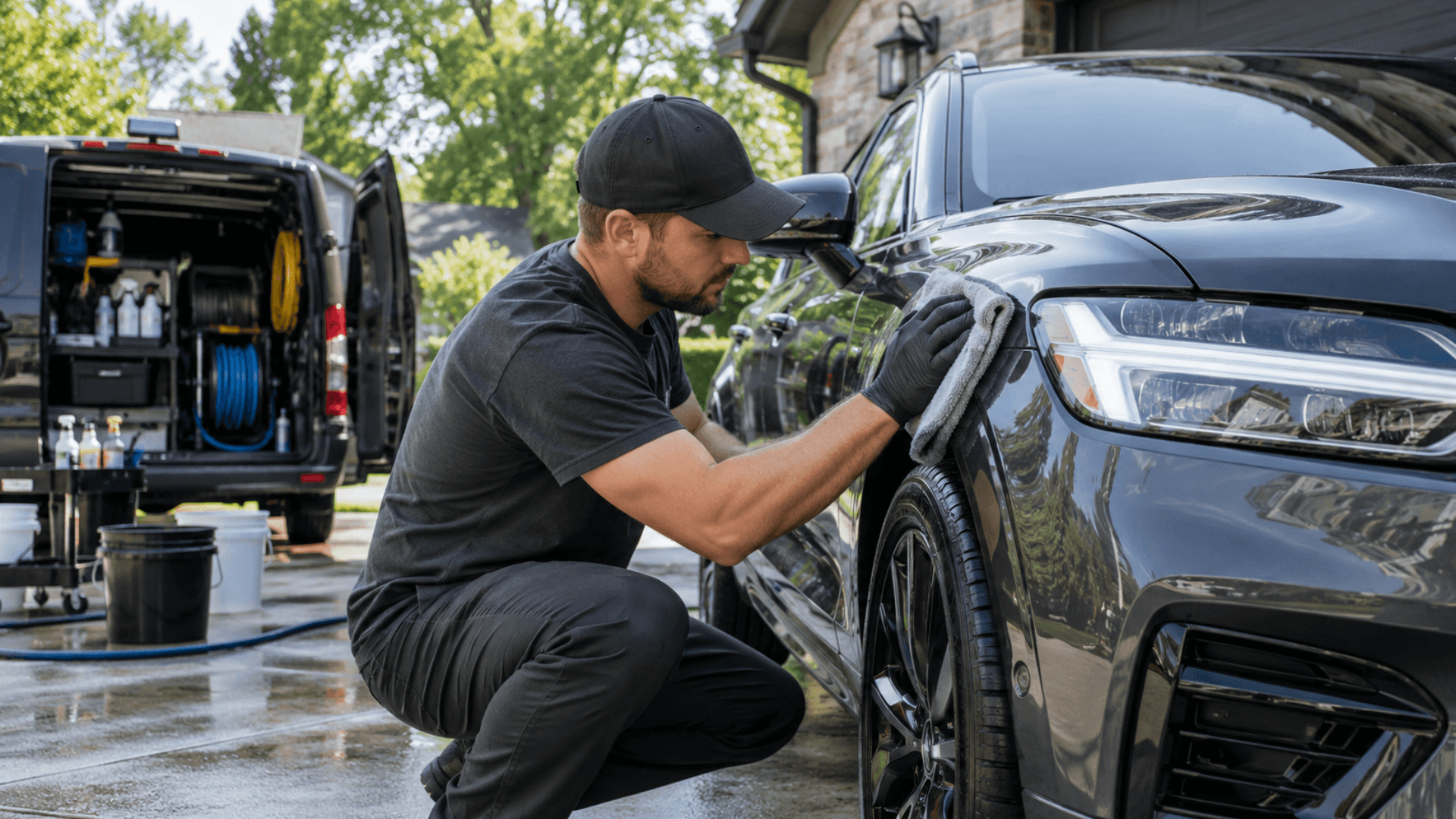
- Good fit if: You enjoy vehicle care, pay attention to detail, and can manage appointments at different locations.
- Not for you if: You expect consistent outdoor bookings throughout the year without preparing for weather-related disruptions.
- What makes or breaks it: Attracting repeat customers while managing equipment, travel, and seasonal demand.
Road salt, winter moisture, and a large vehicle-owning population create recurring demand for paint protection, ceramic coating, rust prevention, and interior restoration. You travel to the customer instead of paying for a shop.
Your money goes to a van, a water tank, a pressure washer, an extractor, and chemicals. Demand is strongest in Detroit, Dearborn, Warren, Sterling Heights, and Oakland County.
Dealerships, rental operators, and company fleets give you volume work on a schedule you can plan around.
6. Landscaping Service
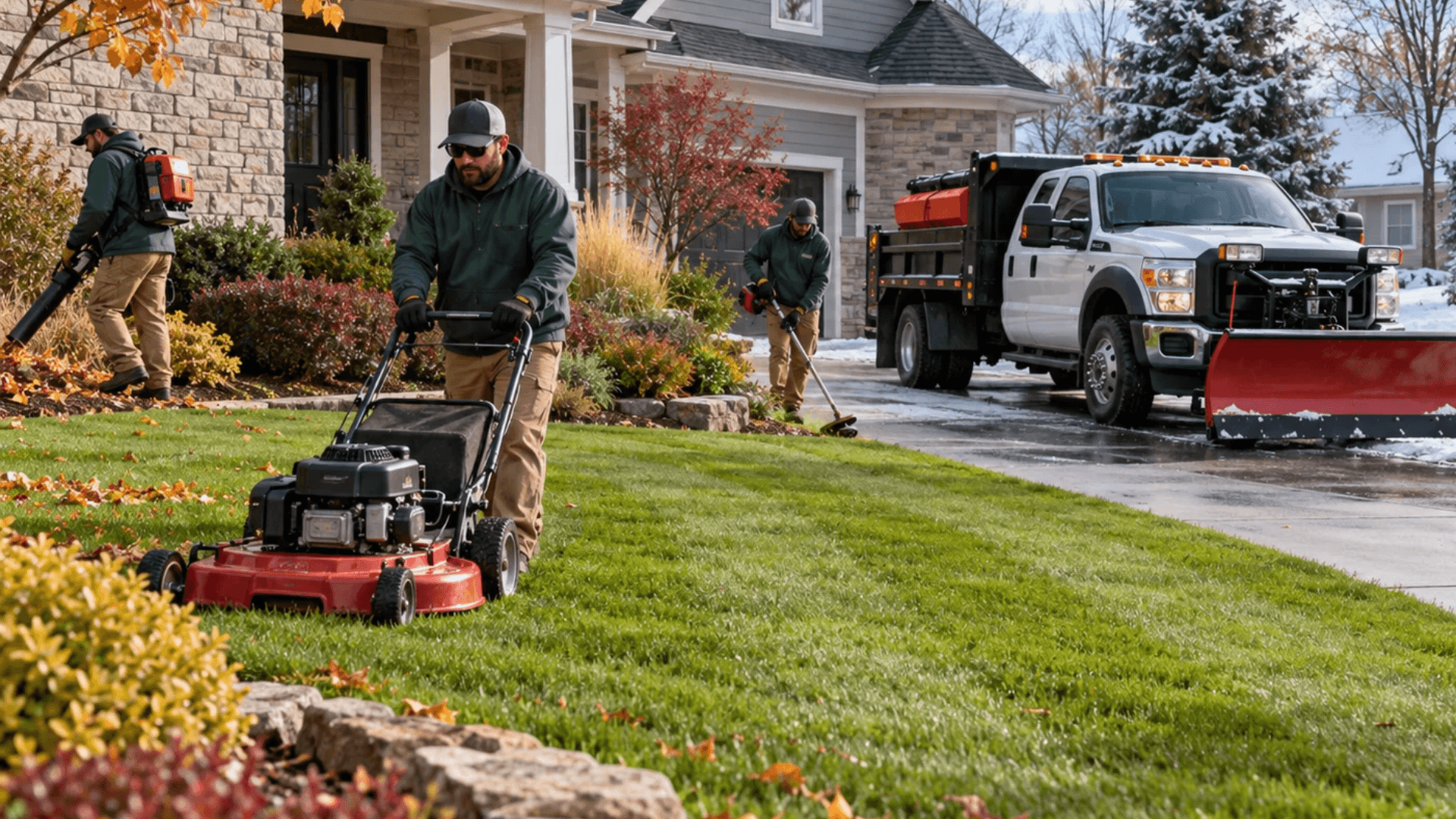
- Good fit if: You already have relevant equipment or experience and are comfortable working outdoors in changing weather conditions.
- Not for you if: You require predictable working hours. Snow removal may involve overnight or early-morning service, depending on weather and customer contracts.
- What makes or breaks it: Building profitable service routes and balancing seasonal revenue with equipment expenses.
This is the clearest example of Michigan's two-season advantage. Summer brings mowing, cleanups, mulch, and small installs. Winter brings ploughing and salting, often on the same properties.
A truck, plough, mower, trimmers, and a trailer cover most of the cost. The suburbs of Oakland County, Macomb County, and Grand Rapids have the density that makes routes efficient.
Snow contracts get signed in August and September, before any snow falls. Commercial lots pay better than residential driveways and are worth pursuing first.
7. Handyman and Home Repair

- Good fit if: You have practical repair skills, can communicate clearly with homeowners, and understand the work you're qualified to perform.
- Not for you if: You aren't prepared to meet the licensing requirements that apply to your planned services.
- What makes or breaks it: Offering reliable repairs while operating within your qualifications and licensing authority.
Michigan's housing stock in older urban and suburban areas needs constant small repairs, and licensed contractors usually skip jobs under a few thousand dollars. This may create opportunities for businesses offering smaller home repairs.
A truck, a solid tool set, and insurance get you working. Demand is statewide, with the most volume in older neighborhoods around Detroit, Flint, Saginaw, and Grand Rapids.
Before offering home repair services, check Michigan's contractor licensing requirements. The state generally requires a Residential Builder or Maintenance and Alteration Contractor license for covered residential projects costing $600 or more, including labor and materials.
Some types of work are exempt, so confirm whether your services require a license before accepting jobs. You should also check local permit requirements, especially for repairs involving plumbing, electrical work, or structural changes.
8. Logistics and Last-Mile Delivery

- Good fit if: You can manage delivery schedules, transportation expenses, and customer relationships.
- Not for you if: You haven't considered commercial vehicle insurance, fuel costs, maintenance, and customer payment terms.
- What makes or breaks it: Securing reliable delivery contracts before making major investments in vehicles and equipment.
Michigan's factories, warehouses, and retailers need businesses to transport products, auto parts, and customer orders. You can offer local deliveries or transport goods between businesses.
Your main expenses include delivery vans, commercial auto insurance, fuel, and driver wages. Detroit, Grand Rapids, and Lansing are worth exploring because of their manufacturing and distribution activity.
Before starting, check which transportation rules apply to your business. Requirements depend on your vehicle's weight, the goods you carry, and whether you deliver within Michigan or across state lines. Some operations require a USDOT number, operating authority, and additional safety compliance.
To find regular work, consider approaching local manufacturers, warehouses, and logistics companies for delivery contracts. Securing customers before buying vehicles can help reduce your financial risk.
9. Vacation Rental Management

- Good fit if: You live near a tourism market and can coordinate guest services, cleaning, maintenance, and property operations.
- Not for you if: You're unwilling to meet applicable real estate licensing requirements or manage customer requests outside regular business hours.
- What makes or breaks it: Building relationships with property owners while delivering dependable service and following local rental regulations
Michigan's tourist destinations create opportunities for businesses that help owners manage vacation rentals. Services may include guest communication, cleaning between stays, maintenance, and restocking supplies.
Some full-service vacation rental managers charge around 15% to 30% of rental revenue, depending on the services provided. Startup expenses may include scheduling software, insurance, transportation, and cleaning supplies. Traverse City, Petoskey, Holland, Harbor Springs, and Mackinaw City are tourist markets worth researching.
Before starting, check Michigan's real estate licensing requirements. Renting or offering to rent properties on behalf of owners for payment generally requires a real estate license. However, basic cleaning, restocking, and maintenance services do not automatically require one.
You should also check local short-term rental rules. Some Michigan cities and towns restrict where vacation rentals can operate or require local permits. Review these requirements before agreeing to manage a property.
10. Pet Grooming and Boarding

- Good fit if: You have animal care experience, understand safe handling practices, and enjoy providing repeat services.
- Not for you if: You're unwilling to manage animal safety responsibilities, facility requirements, or the unpredictable demand associated with boarding.
- What makes or breaks it: Building a regular grooming customer base while managing operating expenses and animal welfare.
Pet grooming can generate repeat appointments for bathing, coat trimming, nail care, and other routine services.
Boarding may provide additional revenue opportunities during holidays and travel periods, although demand can fluctuate.
Grand Rapids, Ann Arbor, and Detroit's suburbs are potential markets to evaluate based on local pet ownership, competition, and customer budgets.
A small grooming operation may require relatively modest equipment, while a commercial boarding facility can involve significant expenses for kennels, ventilation, sanitation, staffing, and suitable premises.
Boarding and grooming also have different operational and regulatory considerations.
11. Non-Medical Senior Home Care

- Good fit if: You have experience supporting older adults, can manage caregivers, and are comfortable coordinating schedules and client needs.
- Not for you if: You don't have sufficient working capital for staffing expenses or aren't prepared for the responsibilities of managing care services.
- What makes or breaks it: Recruiting dependable caregivers and delivering consistent, appropriate services.
Before starting a non-medical home care business in Michigan, check the rules for the services you plan to offer. Basic services such as companionship, meal preparation, and light housekeeping generally do not require a state home health agency license. However, additional requirements may apply depending on the type of care you provide.
If you plan to serve clients through Michigan's Medicaid Home Help program, your agency must enroll in CHAMPS and receive approval from the Michigan Department of Health and Human Services (MDHHS). Caregivers must also meet the program's enrollment and background screening requirements before providing services.
12. HVAC and Heating Services
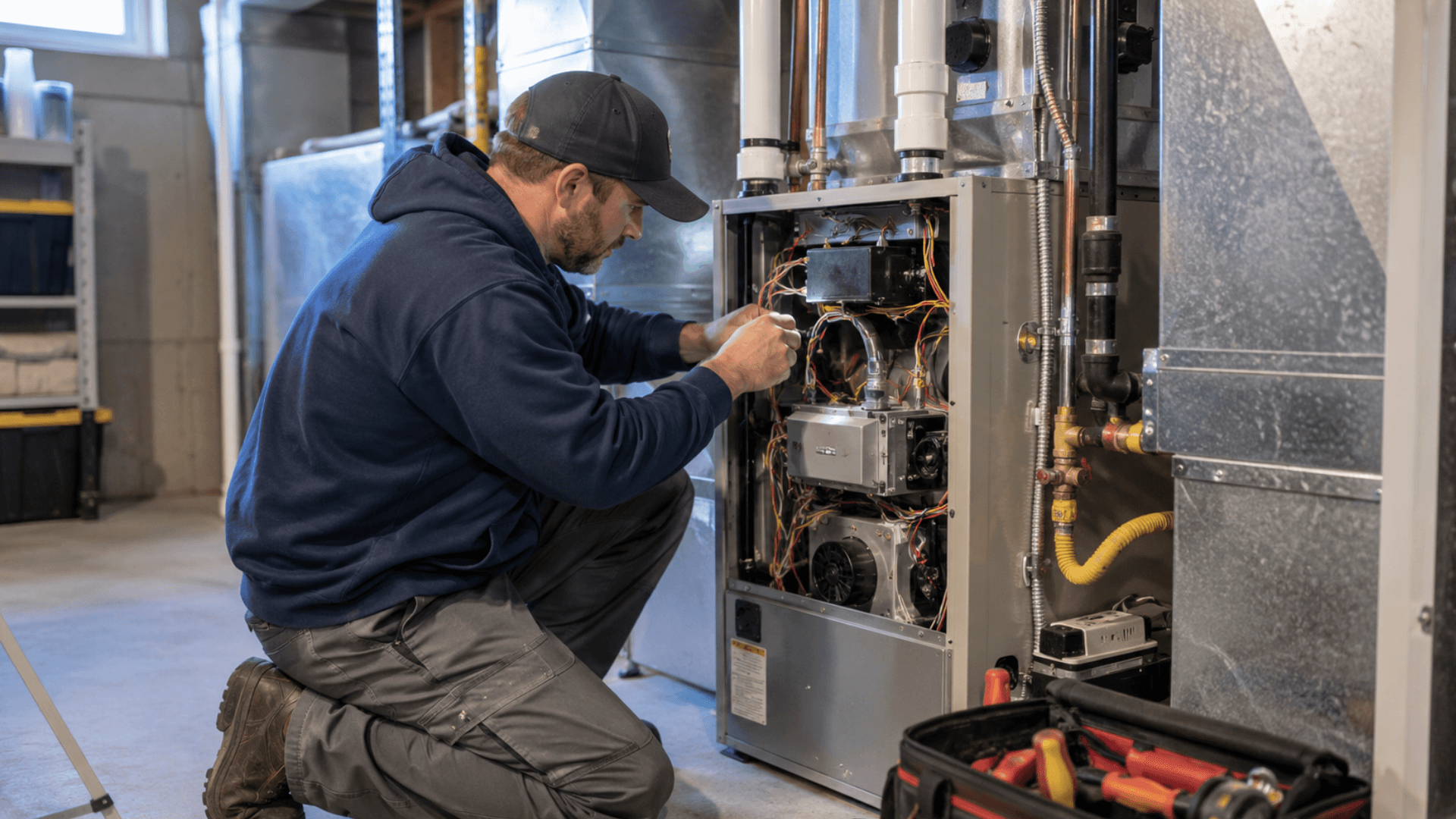
- Good fit if: You have relevant HVAC experience, appropriate technical qualifications, and the ability to meet Michigan's contractor licensing requirements.
- Not for you if: You lack the necessary experience and aren't prepared to complete the licensing process before offering regulated services.
- What makes or breaks it: Developing reliable customer relationships through quality service and ongoing maintenance arrangements.
Michigan winters make heating a necessity, not a comfort. Cold winters create recurring needs for furnace repairs and maintenance, although you'll still need to attract customers.
Costs include a service van, tools, refrigerant certification, and parts inventory. Demand is statewide.
Michigan requires a mechanical contractor license for this work, issued by LARA. Most owners qualify after years as a technician for someone else.
13. Food Truck

- Good fit if: You have food service experience, enjoy working in a fast-paced environment, and can manage changing locations and customer volumes.
- Not for you if: You need predictable daily sales or aren't prepared for food safety, licensing, and equipment requirements.
- What makes or breaks it: Choosing profitable locations, controlling food costs, and building repeat customers.
Food trucks can serve customers at festivals, breweries, office parks, and local events without the expense of renting a restaurant space. This makes them an option for testing a food concept before investing in a permanent location.
Your main expenses will include buying and equipping the truck, obtaining permits, and purchasing ingredients and supplies. Detroit and Grand Rapids are worth exploring because of their event and food scenes.
Before opening a food truck in Michigan, you must obtain a food service license from your Local Health Department. You may also need to complete a plan review before receiving your license.
Michigan has two main licensing options for food trucks:
- Mobile Food Establishment: Requires you to return to a licensed commissary for servicing and maintenance at least once every 24 hours.
- Transitory Food Unit: Allows you to operate at different locations across Michigan without returning to a commissary daily.
Transitory Food Unit operators must generally notify the relevant Local Health Department at least four business days before operating in its area.
To prepare for slower winter sales, consider catering, indoor events, or partnerships with local businesses that operate year-round.
14. Auto Repair Shop

- Good fit if: You have automotive repair experience, understand shop operations, and have access to sufficient startup capital.
- Not for you if: You lack the technical expertise, qualified personnel, or financial resources needed to operate a repair facility.
- What makes or breaks it: Building a reputation for reliable service while controlling equipment, staffing, and facility expenses.
Michigan has a large automotive industry, with approximately 463,000 jobs supported by its automotive supply chain, according to the state's 2025 Economic Transition Office report. Cold winters and road salt can also damage vehicles, creating opportunities for shops offering brake, suspension, exhaust, and rust repair services.
Starting an auto repair shop can be expensive. You'll need a garage, vehicle lifts, diagnostic equipment, and tools. Detroit, Dearborn, Warren, Flint, and Saginaw are possible locations to explore because of their large automotive markets.
Before opening, you must register your shop with the Michigan Secretary of State. You'll also need approval from your local government for zoning and other requirements. If you offer major repairs, your shop must have state-certified mechanics for the types of work it performs.
You could focus on one type of repair, such as transmissions, diesel engines, European vehicles, or electric vehicles. Offering specialized services may help your shop attract customers looking for those repairs.
Conclusion
Choosing the right business comes down to three things: your budget, local demand, and the skills or experience you bring to the table. Once you have identified an opportunity that fits, the next step is deciding how to structure your business.
In Michigan, you can operate as a sole proprietor, form a partnership, establish a limited liability company (LLC), or incorporate your business. Each structure has different implications for personal liability, taxes, and administrative responsibilities. If you decide to form an LLC in Michigan, Swyft Filings can help you prepare and submit your formation documents, with additional services such as resident agent support and EIN application assistance available depending on your selected package. This can simplify the paperwork so you can focus on getting your business ready for customers.
FAQs
Profitability depends on pricing, operating costs, and repeat customers. HVAC services, non-medical senior care, and specialized auto repair can offer strong earning potential because they require specialized skills and generate repeat business. Among lower-cost options, commercial cleaning can benefit from larger contracts, predictable schedules, and recurring customers.
Residential cleaning, digital marketing, bookkeeping, and virtual administrative support are businesses you can start for under $10,000 without renting a storefront. Cleaning requires basic supplies, insurance, and transportation, while digital and bookkeeping services mainly require a computer, software, and relevant skills.
Michigan does not have one general business license that applies to every company. Licensing requirements depend on your industry and location. State licenses apply to certain occupations, including building trades, mechanical contracting, cosmetology, childcare, healthcare, and food service. Cities and townships may also require business registration, zoning approval, or local permits.
An LLC can be a suitable business structure for many small businesses in Michigan because it generally separates personal assets from business liabilities and offers flexible tax treatment. It can be particularly useful for higher-risk businesses such as landscaping, HVAC, auto repair, food service, and senior care. Consult a qualified tax professional to determine the best structure for your circumstances.
The registration process depends on your chosen business structure. To form an LLC in Michigan, check your business name's availability, file Articles of Organization with the Michigan Department of Licensing and Regulatory Affairs (LARA), and appoint a resident agent with a registered office address in Michigan. You can submit LLC formation documents through the state's MiBusiness Registry portal.
Filing Articles of Organization for a Michigan LLC costs $50, while the annual statement fee is $25. DBA filings, local permits, occupation-specific licenses, and registered agent services may involve additional expenses. Check current state and local fees before registering your business.
Detroit is worth exploring for automotive services and logistics, Grand Rapids for home services and pet care, Ann Arbor for technology and digital services, and Lansing for cleaning and childcare. Traverse City and Petoskey offer tourism-related opportunities, while Flint and Saginaw may suit auto repair and home renovation businesses.