
Swyft Filings
Swyft Filings
(877) 777-0450[email protected]
Sign inGet Started
Swyft Filings
Start an LLCFile an S Corp ElectionStart a C CorpStart a NonprofitRegister a DBA
Sign inGet Started
Swyft Filings

Helping entrepreneurs start, manage, and grow their business with trusted filing services.

Excellent

600,000+ Businesses Formed

Support

Monday - Friday | 8AM - 8PM CT

(877) 777-0450[email protected]

Follow Us

Business Formation

Start an LLCFile an S Corp ElectionStart a C CorpStart a NonprofitRegister a DBARegistered AgentBusiness LicensesTrademark RegistrationOperating AgreementChange Registered AgentConversion

Resources

BlogState GuidesAbout LLCsAbout C CorporationAbout S CorporationAbout DBAAbout NonprofitBest States to Form an LLCDifferent Types of LLCsLLC Requirements By StateBusiness Name Generator

Business Compliance

Annual ReportInitial ReportGood Standing CertificateSeller's PermitComplianceGuardCompare Business TypesDigital Corporate KitBusiness Name Change501(c)(3) ApplicationReinstateDissolution

Company

About UsReviewsPartner MarketplaceAffiliatesCareersWhy Choose UsContactFAQsPrivacy PolicyTerms of Service

Privacy Policy

Swyft Filings is a private document filing service and is not affiliated with, endorsed by, or an official representative of any government agency. Swyft Filings provides access to independent attorneys through Legal Plan subscriptions. We are not a law firm and cannot offer legal advice. The information on our website is for general informational purposes only and is not legal advice. Use of the website is subject to our Terms of Service and Privacy Policy.

*Attorney Advertisement

The law firm responsible for the trademark filing offering constituting an advertisement is Swyft Legal, LLC who can be reached at [email protected]. Swyft Legal, LLC is licensed by the Arizona Supreme Court under license number 70173. All legal services provided in connection with the attorney-led trademark process are provided by Swyft Legal, LLC. Swyft Filings is an affiliate of Swyft Legal, LLC.

We accept

Visa payment image
Mastercard payment image
Amex payment image
Discover payment image
PayPal payment image
Home|Swyft Forms|Swyft Forms Documents|Independent Contractor Non-Disclosure Agreement

Independent Contractor Non-Disclosure Agreement

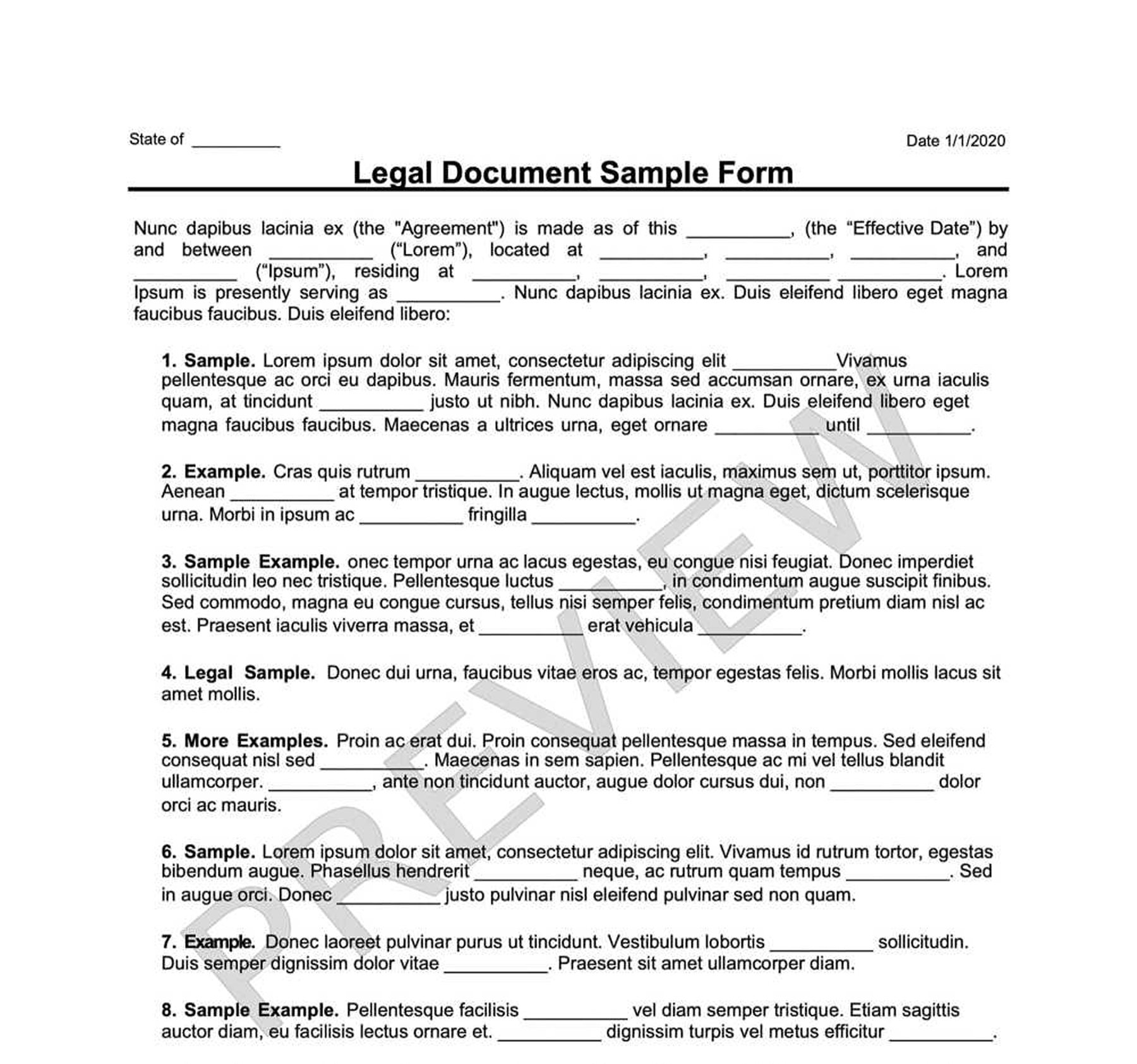
An Independent Contractor NDA prevents an independent contractor from disclosing confidential information of the client under the threat of penalty.
Create Document
Click the document to preview
Independent Contractor Non-Disclosure Agreement Preview
About documentFAQsRelated Documents
Create Document

How it Works

1

Build your selected document.

2

Answer a few simple questions with step-by-step instructions.

3

Print & download forms instantly. Sign & make it legal.

An Independent Contractor NDA prevents an independent contractor from disclosing confidential information of the client under the threat of penalty.

What Is a Independent Contractor Non-Disclosure Agreement?

If you are a business owner, you probably know that hiring independent contractors may work out better. Perhaps there's a short-term project you'd rather have someone outside the company work on.

It is just that concern for your company's confidential and valuable information preventing you from acting on it. That is where the Independent Contractor NDA comes in and saves the day.

What Is an Independent Contractor NDA?

Non-Disclosure Agreements are not a novelty, and you can find them in almost all types of agreements, employment contracts, and across industries. If you are an app developer, inventor, patent holder, or the like, the Independent Contractor NDA could be of great use. Also, public figures who hire bodyguards, cooks, cleaners, and other services routinely ask them to sign Independent Contractor NDAs.

The agreement should outline what type of information is considered confidential and any other expectations the client or hiring company may want to highlight.

Other Names for Independent Contractor NDA

Depending on your state, an Independent Contractor NDA may also be known as:

  • Independent Contractor Non-Disclosure Agreement
  • Independent Contractor Proprietary Information Agreement
  • Independent Contractor PIA

Who Needs an Independent Contractor NDA?

Any individual or business entity hiring freelancers and independent contractors may find Independent Contractor NDAs useful. Even if you merely want to take extra care to ensure privacy, this type of agreement can give you the peace of mind you need.

Why Use Swyft Forms for Your Independent Contractor NDA

Customized for you, by you

Create your own documents by answering our easy-to-understand questionnaires to get exactly what you need out of your Independent Contractor NDA.

Specific to Your Jurisdiction

Laws vary by location. Each document on Swyft Forms is customized for your state.

How to Create an Independent Contractor NDA with Swyft Forms

The Independent Contractor NDA content can be different depending on the type of information involved. That task is where your focus should be, not on the formatting details and jurisdiction concerns.

Let Swyft Forms help with our extensive library of attorney-vetted legal forms. The process is fast and easy. All you have to do is fill out our easy-to-understand questionnaire. Once complete, simply download your form as a PDF or Word document from your secure online account.

What Information Will I Need to Create My Independent Contractor NDA?

To create your document, please provide:

  • Hiring Entity: The person or company hiring the independent contractor.
  • Independent Contractor: The name and contact information of the person or company providing the services.
  • Effective Date: The date when the agreement goes into effect.
  • Governing Law: The legal system used in the event of a dispute.
  • Purpose: A short explanation of why the deal is necessary.
  • Confidential Information: A full description of the scope of what entails confidential information.
  • Examples: A specific example of what the agreement would typically cover.
  • Duration: The effectual period of the agreement and extension possibilities.
  • Additional Clauses: Any other clauses and provisions such as non-compete, non-solicitation, or non-disparagement.
  • Signatures: Both parties must sign the agreement.

Independent Contractor NDA Terms

  • Unilateral: An agreement or decision that affects or arrived at by one party
  • Bilateral: An understanding or decision that affects or reached by both parties
  • Proprietary Information: Valuable trade secrets and any other information a company would want to keep secret
  • Injunction: A court order to do or to refrain from doing
  • Indemnity: Contractual protection against legal liability

Independent Contractor NDA Signing Requirements

To ensure it is legally binding and enforceable, the Independent Contractor NDA must be signed by both the client and independent contractor. Both should review the agreement in detail beforehand. Notarization is not necessary nor a legal requirement, but possible if both parties agree.

What to Do with Your Independent Contractor NDA

After signing, the hiring entity and the independent contractor should receive a physical copy of the agreement. Ensuring it's safe and protected is essential if there is ever a dispute in the future, as you may need to present the contract in an arbitration or litigation.


Other Names for Independent Contractor Non-Disclosure Agreement

Depending on your state, a Independent Contractor Non-Disclosure Agreement may also be known as:
  • Independent Contractor Non-Disclosure Agreement Form
  • Independent Contractor Non-Disclosure Agreement Document
  • Independent Contractor Non-Disclosure Agreement Agreement
  • Independent Contractor Non-Disclosure Agreement Contract
  • Independent Contractor Non-Disclosure Agreement Template
  • Independent Contractor Non-Disclosure Agreement Checklist

Who Needs a Independent Contractor Non-Disclosure Agreement?

If you need to formalize agreements and ensure legal compliance, this document is an essential tool.

Why Use Swyft Forms for Your Independent Contractor Non-Disclosure Agreement

Customized for you, by you

Create your own documents by answering our easy-to-understand questionnaires to get exactly what you need out of your Independent Contractor Non-Disclosure Agreement.

Specific to Your Jurisdiction

Laws vary by location. Each document on Swyft Forms is customized for your state.

Why choose Swyft Forms?

Create professional documents for thousands of purposes.

Make unlimited documents and revisions.

Our documents are vetted by lawyers and are applicable to all 50 states.

Create Document

Frequently Asked Questions

You do not always have to use a written Non-Disclosure Agreement. In many instances, both parties may settle on an oral agreement. However, having a written contract is common too, and it would possess clear evidence of the agreement and all the provisions. A written contract may reassure both parties and prevent any misunderstandings that might ensue.

A properly executed NDA is legally binding. It is recommended to seek legal advice before breaking the terms in the NDA. Any breach of the contract can result in legal action, including damage compensation and a court order against disclosing the relevant information.

Confidentiality Agreements and Non-Disclosure Agreements (NDA) are used interchangeably, although there are subtle differences in practice.

  • The Confidentiality Agreement is used for a higher level of secrecy. NDAs simply specify the information covered, as opposed to Confidentiality Agreements that may require the parties to actively protect the sensitive data against theft, e-database breaches, and more.

  • The NDA is mostly used in startups involving a third party. Third parties can be potential investors, customers, suppliers, and vendors that would be required to protect any disclosed intellectual property, trade secrets, financial information, etc.

  • NDAs are most common in the US. When doing business across borders, foreign companies may recognize either as a Confidential Agreement.

  • Confidentiality Agreement in Employment. Confidentiality Agreements are more commonly used.

A non-disclosure agreement can be unilateral, mutual, or multilateral.

  • Unilateral NDAs only require the receiving party to sign the NDA.

  • Mutual NDAs or Bilateral NDAs are signed by both parties, usually when both are in receipt of business secrets.

  • Multilateral NDAs govern three or more parties, of which at least one is a disclosing party. The use of a Multilateral NDA eliminates the need for separate Mutual NDAs.

The NDA created through this page is a Unilateral NDA.

NDAs exclude the following:

  • Non-proprietary information: Information that is not classified as a trade secret or owned by one of the parties.

  • Subpoenaed information: If subpoenaed by a court, a receiving party can disclose information to the authority without violating the NDA.

  • Public information: All information considered public knowledge.

  • Common knowledge: Commonly known information in the industry.

  • Previously known information: A receiving party is not required to protect information learned prior to the NDA.

Including a non-compete covenant with your NDA is a promise not to compete against the other party. This may be restricted to a particular market and location. This covenant is most commonly used between employers and employees, especially the star employees who might want to strike out on their own in the same industry. While this can be a separate document, you may also include it in the non-disclosure agreement

An injunction is a court order for one party to refrain from a certain act at the threat of contempt of court. As relates to a NDA, a court injunction would most commonly order one party to not disclose any relevant confidential information they are not supposed to share. The defendant who breaches a NDA may be ordered to pay monetary damage, but even before or after that, the claimant can petition the court for an injunction to order the defendant to not disclose the information or to refrain from disclosing any further.

The non-solicitation cluase is a covenant to refrain from using confidential information to poach clients or employees from the party that disclosed the information. While it can be a standalone document, the non-solicitation clause is often inserted into other contracts.

Related documents

Users that make a Independent Contractor Non-Disclosure Agreement sometimes need additional documents.

Independent Contractor AgreementNon-Compete AgreementOutsourced Services AgreementEmployee Confidentiality AgreementWork Proposal

Create your free Independent Contractor Non-Disclosure Agreement in minutes.

Create Document